Our Foundation
The Bharatiya Janata Party (BJP) traces its ideological roots to the Bharatiya Jana Sangh, founded in 1951 by Dr. Syama Prasad Mookerjee. The party emerged from a commitment to national integration, cultural pride and democratic values. Over time, this legacy evolved into the BJP, which was formally established in 1980, carrying forward the same spirit in a new organisational form.
From its early years, the party has stood for clean governance, people-centric development and a strong, secure nation. It seeks to blend India's civilisational heritage with modern aspirations, ensuring that growth and opportunities reach every section of society.
Founding Fathers
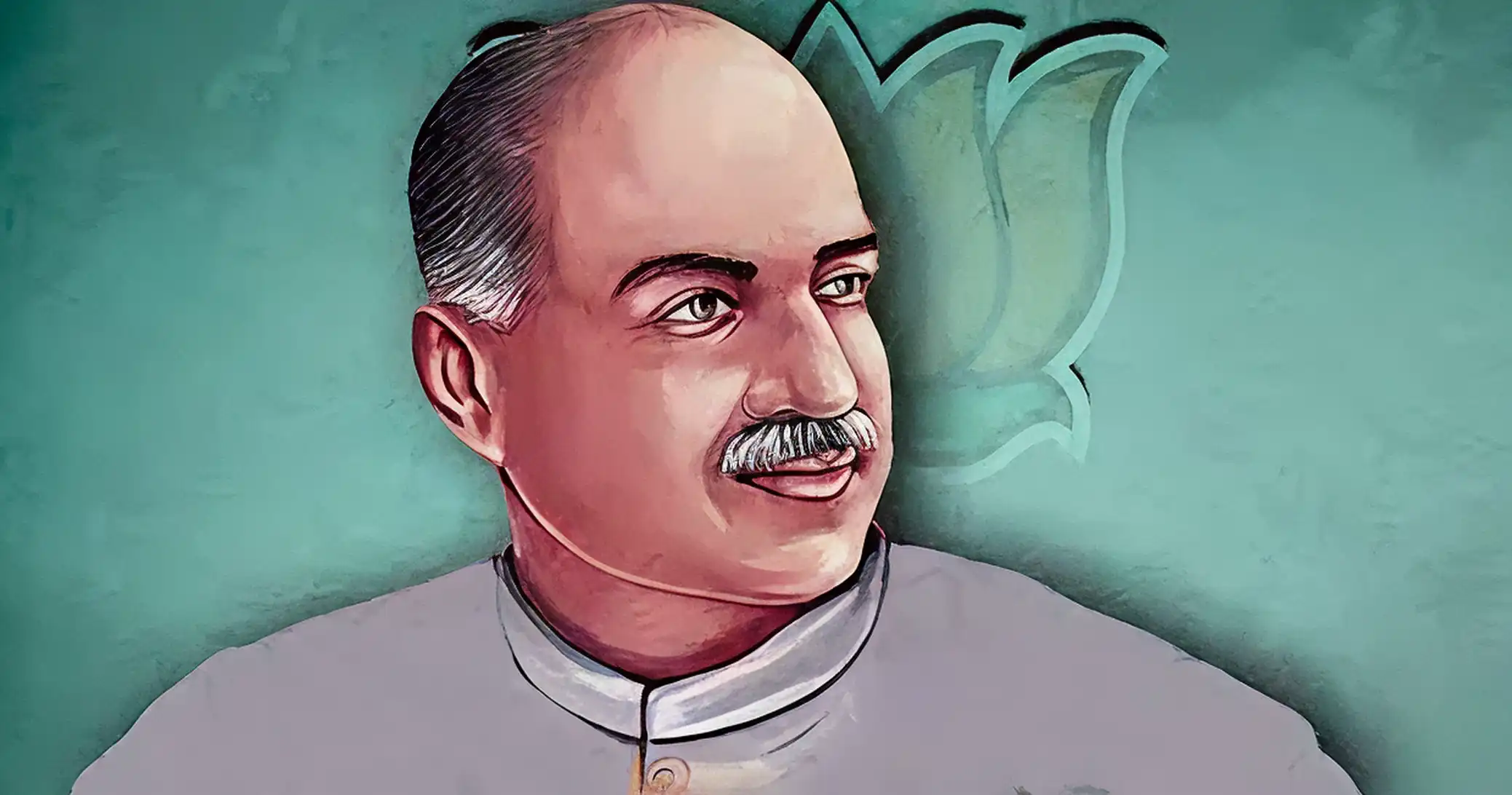
Dr. Syama Prasad Mookerjee (1901-1953)
Dr. Syama Prasad Mookerjee was a distinguished educationist, parliamentarian and patriot. He served as Vice-Chancellor of the University of Calcutta and later as a Union Cabinet Minister. Guided by a deep sense of national duty, he founded the Bharatiya Jana Sangh to give voice to a patriotic and principled alternative in Indian politics.
He spoke strongly for national unity, the rights of citizens and the need for decisive leadership. His ideas and sacrifice remain a source of inspiration for the BJP's worldview and public life even today.
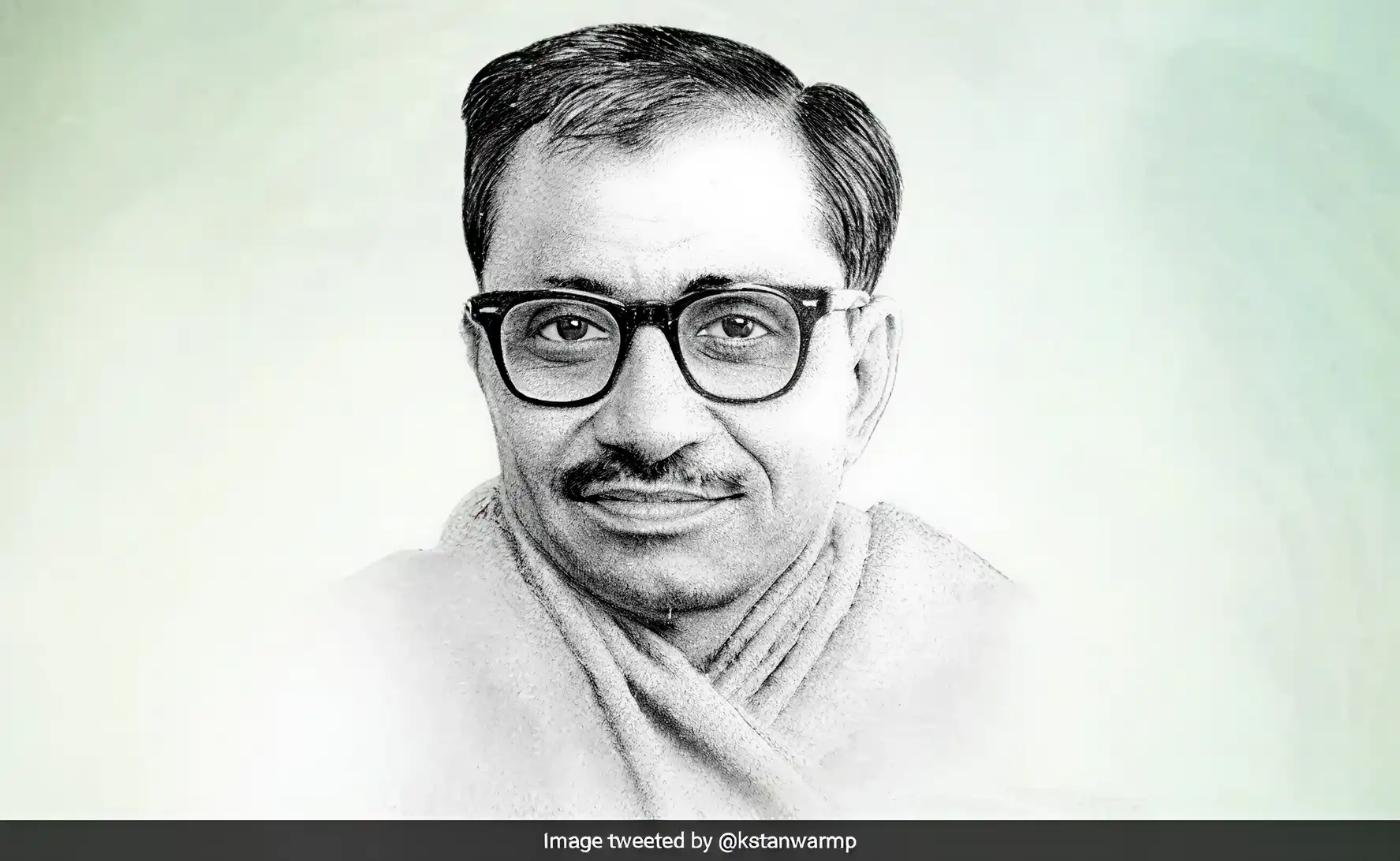
Pandit Deendayal Upadhyaya (1916-1968)
Pandit Deendayal Upadhyaya was a profound thinker, organiser and guiding force for the Jana Sangh. His philosophy of Integral Humanism offered a holistic framework of development that balances individual, society and nature, and places human dignity at the centre of public policy.
He emphasised simplicity in personal life, honesty in public life and compassion towards the most vulnerable. His thoughts continue to guide the BJP's approach to governance and its vision of inclusive, sustainable growth.